
By late afternoon, the country seems to have stepped into another dimension.
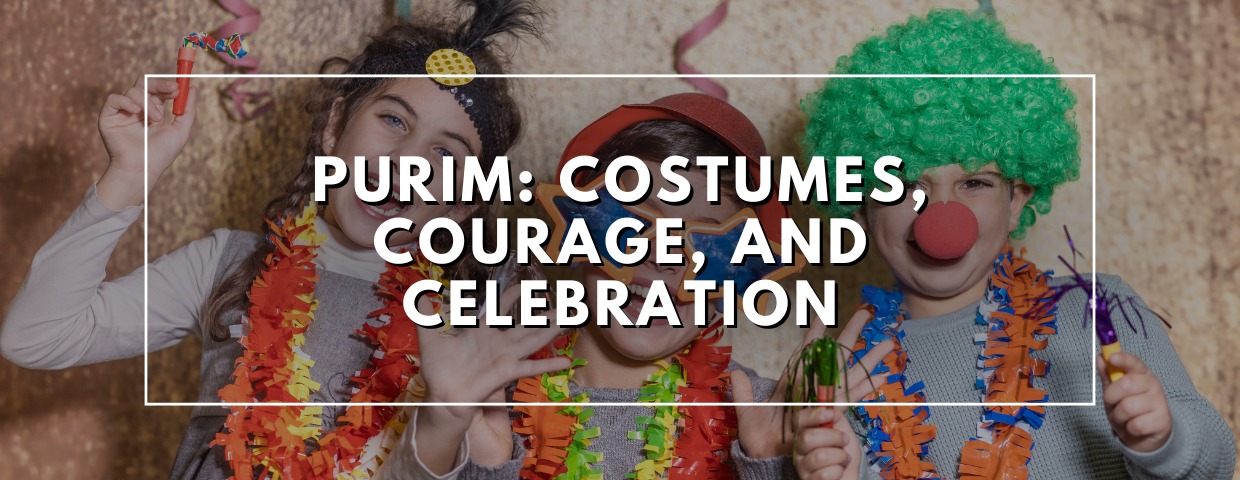
A princess with untied shoelaces darts past a man dressed as a Roman soldier. A toddler in a velvet crown refuses to take it off, even while clutching his father’s hand. Music spills from open apartment windows. Cellophane crinkles in every direction as children proudly carry brightly wrapped baskets given between friends and families.
Outside a neighborhood bakery, the line stretches onto the sidewalk. Inside, trays of hamantaschen, small triangular pastries traditionally eaten on Purim, are stacked high. Some are filled with poppy seed, others with chocolate or fruit jam. They will be tucked into gift packages, placed on holiday tables, and shared throughout the evening.
It is Purim in Israel.
If you have never been here for it, imagine an entire country dressed up at once. Schools hold costume parades. Offices close early. Even soldiers on base exchange small packages of sweets. Laughter feels louder. The air feels lighter.
But Purim is not simply a festival of costumes and pastries.
It commemorates what is recorded in the Book of Esther, when the Jewish people living in exile under Persian rule faced an official decree calling for their destruction. What appeared final was reversed. A day marked for mourning became a day of joy.
“As the days on which the Jews had rest from their enemies… that they should make them days of feasting and joy, of sending portions one to another and gifts to the poor.” - Esther 9:22
That verse becomes visible everywhere you look.
As evening falls, synagogues fill for the reading of the Megillah, the Scroll of Esther. The entire story is read aloud from beginning to end so that every generation hears it again. Each time the name of the one who sought destruction is spoken, the room erupts. Children spin small noisemakers called groggers, stamping and shouting to drown out the name of Haman, who tried to annihilate the Jewish people. The noise is intentional. Remembrance is not quiet.
Throughout the day, families deliver mishloach manot, which means “sending portions.” These are small gift packages filled with ready-to-eat foods, fruit, snacks, sweets, often including hamantaschen, given to friends, neighbors, and colleagues. The purpose is simple and profound: strengthen community. Share joy. Make sure no one celebrates alone.
Purim also includes matanot la’evyonim, gifts given directly to those in need. It is built into the day itself. Celebration is incomplete if someone is excluded. Joy is meant to be shared.
And then there are the costumes.
In the Book of Esther, God’s name is never mentioned. Not once. Yet His guidance shapes every turn of the story. The masks reflect that hiddenness. What appears concealed may be guided. What seems accidental may not be.
For those watching from outside Israel, Purim may look colorful and carefree. Here, it carries memory.
A people once marked by fear gathers each year in costume and joy. The scroll is read again. The name of the enemy is drowned out again. The baskets are delivered again.
Because Purim is not only about dressing up.
It is about courage in the face of threat. It is about celebration after survival. It is about a day that was meant for destruction becoming a day of joy.
On Purim, we wear costumes.
But what we are truly celebrating is the courage that changed the story, and the joy that followed.